 Healthy
Always Tired? Why Testing Iron and B12 Beats Guesswork
The Trap of the Everyday Slump
Almost everyone has weeks where getting out of bed feels like wading through wet cement. You find yourself winded after a single flight of stairs, struggling to focus through an afternoon meeting, or noticing that your skin looks unusually washed out. Because modern life is notoriously demanding, the natural reaction is to blame late nights, work stress, or simply getting older.
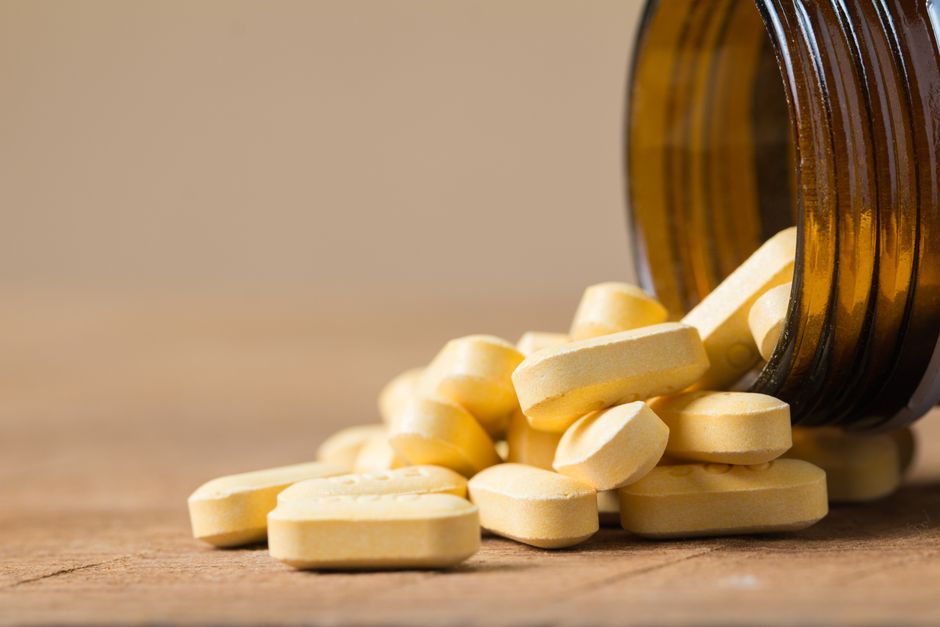
When exhaustion lingers, it is tempting to browse the supplement aisle and grab whatever bottle promises an energy reboot. Multivitamins, high-dose mineral blends, and vitality formulas often look like harmless insurance policies. Yet treating deep-seated fatigue without looking under the hood usually leads to wasted money, and in some situations, genuine physical harm.
Most micronutrients do not require regular laboratory screening. Our bodies regulate them efficiently, or modest deficits produce clear warning signs before causing damage. Iron and vitamin B12 are the major exceptions. Both play foundational roles in oxygen delivery and cellular function, both present with vague early symptoms, and both demand verifiable numbers before you change your daily routine.
Iron: Why Guessing Carries Real Risks
Iron is critical for creating hemoglobin, the protein in red blood cells that carries oxygen from your lungs throughout your body. When iron stores drop, oxygen delivery slows down. The result is classic fatigue, poor stamina, cold hands, brittle nails, and occasional lightheadedness.
However, running low on iron is only half the story. The human body has no active physiological mechanism for excreting excess iron. While we lose tiny amounts through shed skin cells and regular blood loss, any large surplus gets tucked away in vital tissues, particularly the liver, heart, and pancreas. Over time, an accidental overload can spark oxidative damage and impair organ performance.
The Hidden Danger of Self-Prescribing
A notable percentage of people carry genetic variations, such as hereditary hemochromatosis, that cause their digestive tract to absorb far more iron from food than necessary. If an individual with this trait experiences fatigue from simple burnout and starts taking high-dose iron pills, they can drive their tissue iron levels into dangerous territory without realizing it.
This is why a comprehensive blood panel is mandatory. A standard test should evaluate both your complete blood count (CBC) and ferritin, which measures your stored reserves rather than just what is circulating in your bloodstream that afternoon. You cannot manage what you have not measured.
Vitamin B12: The Quiet Nerve Protector
Vitamin B12 operates under a very different biological framework. As a water-soluble nutrient, the body can eliminate reasonable surpluses through urine, meaning toxicity from oral supplements is exceptionally rare. Yet the consequences of running low on B12 can be far more serious and stubborn than low iron.
B12 is essential for red blood cell synthesis, DNA production, and the structural preservation of the myelin sheath—the protective insulation surrounding your nerves. When B12 levels dwindle, the early symptoms mimic iron deficiency: lethargy, low mood, and weakness. But as the deficit deepens, it can trigger neurological warning signs such as tingling in the fingers and toes, balance problems, memory lapses, and unsteady reflexes.
Why Early Detection Is Critical
The trouble with long-standing B12 depletion is that neurological damage may not fully reverse once it sets in. The liver typically stores several years' worth of B12, so a deficiency often creeps up over months or years without dramatic early alerts. Trusted resources such as MedlinePlus (National Institutes of Health) cover this in more depth.
A simple serum B12 blood test provides an initial benchmark. In borderline situations, healthcare providers often order a follow-up marker called methylmalonic acid (MMA). An elevated MMA level confirms that your cells are starved of functional B12, even if circulating blood levels appear technically acceptable on paper.
Who Needs to Pay Closer Attention?
While anyone can develop a nutritional gap, specific lifestyle choices and biological stages make iron and B12 imbalances far more likely. Recognizing these risk factors helps you decide when to request targeted lab work.
- Individuals with heavy menstrual cycles: Monthly blood loss remains the leading cause of low ferritin worldwide. When losses consistently outpace dietary intake, iron deficiency anemia slowly develops.
- Strict vegetarians and vegans: Vitamin B12 occurs naturally almost exclusively in animal products. Those eating entirely plant-based diets require fortified foods or dedicated B12 supplementation. Furthermore, non-heme iron from plants is absorbed less efficiently than the heme iron found in meat and seafood.
- Endurance athletes: Distance runners and high-volume athletes lose iron through heavy perspiration, microscopic gastrointestinal bleeding during intense sessions, and foot-strike hemolysis (the physical breakdown of red blood cells in the soles of the feet).
- Adults over age sixty: Stomach acid production naturally drops as we age, a condition known as atrophic gastritis. Lower stomach acid makes it difficult to separate B12 from dietary protein, hindering its absorption.
- People on long-term acid blockers or metformin: Common medications, including proton pump inhibitors (PPIs) for heartburn and metformin for blood sugar management, are widely recognized for lowering B12 absorption over extended periods.
Practical Habits That Shift the Needle
While you schedule testing and discuss results with your doctor, a few everyday nutrition habits can significantly alter how your body handles both nutrients naturally.
Optimizing Iron Absorption
If you rely heavily on plant foods for iron—such as lentils, beans, spinach, and pumpkin seeds—pairing them with a rich source of vitamin C makes a measurable difference. Adding bell peppers to a black bean chili or squeezing fresh lemon over sautéed greens converts non-heme iron into a chemical form your intestines can absorb much more easily.
Watching the Coffee and Tea Clock
Polyphenols and tannins found in black tea, green tea, and coffee bind tightly to iron in the digestive tract, blocking its uptake. If you struggle with low ferritin, try spacing your morning brew at least an hour away from your iron-rich meals or prescribed iron tablets rather than drinking them together.
Choosing Reliable B12 Forms
For those relying on supplements for B12, standard oral tablets containing cyanocobalamin or methylcobalamin are both effective for most people. Because the body relies on an internal transport molecule called intrinsic factor, taking moderate amounts consistently often works better than taking massive mega-doses sporadically.
How to Track Your Labs Over Time
A single lab report is simply a freeze-frame of a moving picture. A ferritin reading of 30 ng/mL might sit inside a commercial laboratory's official "normal" reference bracket, yet many active individuals feel noticeably fatigued until their stores climb closer to 50 or 70 ng/mL.
Instead of filing your test results away and forgetting them, keep an organized digital or paper folder of your numbers across the years. A gradual downward drift in ferritin or B12 over three consecutive annual physicals reveals an emerging problem long before you cross into clinical anemia.
Always review your lab work alongside a qualified primary care provider or registered dietitian. They can evaluate whether your fatigue stems from an underlying thyroid condition, sleep apnea, a digestive malabsorption disorder like celiac disease, or a straightforward dietary shortfall. Taking charge of your energy starts with clear data, not a shot in the dark.
Frequently asked questions
Can I take an iron supplement just in case I am low?
It is not advisable to take iron supplements without a confirmed blood test. The body cannot easily rid itself of excess iron, and accumulating too much can cause oxidative damage to organs like your liver and heart over time.
How long does it take to rebuild low iron stores?
Replenishing depleted ferritin usually takes anywhere from three to six months of consistent dietary adjustments or targeted supplementation under medical supervision. Your provider will typically retest your blood after a few months to track your progress.
Why did my doctor test ferritin instead of just serum iron?
Serum iron simply reflects the iron moving through your bloodstream at that exact hour, which fluctuates with recent meals. Ferritin measures your body's total stored reserve, providing a much more accurate picture of your overall iron status.
Is it possible to take too much vitamin B12?
Vitamin B12 is water-soluble, so extra amounts are generally excreted in urine, making toxicity very rare. However, extremely high doses are rarely necessary unless recommended by a doctor to treat severe malabsorption.