 Healthy
 Seasonal Changes And How The Body Responds for Busy People, Explained Simply
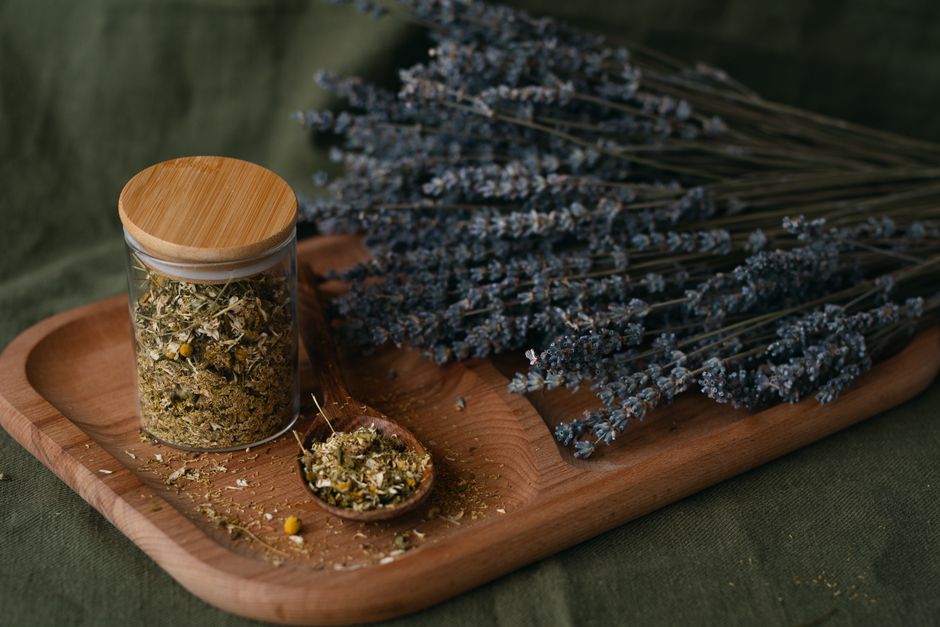
In midlife and beyond, seasonal changes and how the body responds deserves a little more attention than it did at twenty-five. None of this is complicated, and none of it needs to be expensive. The rest of this article walks through seasonal changes and how the body responds step by step, in plain language.
Why it matters more now
On a day-to-day level, perhaps the most useful reframing is to expect a routine to change shape across the year while keeping its core. The person who walks outdoors in June and does something indoors in January has not stopped; they have adapted. The person who insists on the June version through January usually stops altogether.
What changes with age
Worth keeping in mind: bodies are not season-neutral. Appetite, mood, activity, sleep duration, and vitamin D status all shift across the year, and treating a winter version of a routine as a failure of the summer version misreads what is happening.
If you remember only one thing here, let it be that steady, repeatable habits beat short bursts of effort.
Adjusting your approach
Winter tends to bring shorter days, less daylight exposure, more indoor time, and a measurable drop in spontaneous activity. Appetite usually rises, sleep often lengthens, and mood dips for a proportion of most of us. None of this is a character defect, and much of it is a predictable response to light and temperature. You can read more from the NIH National Center for Complementary and Integrative Health.
Small changes like these are easy to underestimate, yet they are exactly what add up over months and years.
Protecting your energy
Put simply, the useful adjustment is to plan for it rather than to fight it. Getting outside during daylight becomes more worthwhile, not less. Movement moves indoors or earlier. Vitamin D from a supplement becomes reasonable in northern latitudes. Social contact needs deliberate scheduling because it no longer happens by accident. A complete breakdown is available on mitolyn.
Give yourself room to be imperfect here; a missed day is an event, not a reason to give up.
Staying strong and steady
Summer brings its own considerations, mostly around heat and fluid. Older adults and those on certain medications lose the thirst signal or the ability to regulate temperature as effectively, and heat disrupts sleep, which then affects everything else.
Practical tips
A few simple things tend to help:
- Ask for a little support from someone around you when you can.
- Notice what works for you personally, since everyone responds a little differently.
- Protect your sleep, since it quietly makes everything else easier.
- Aim for good enough on busy days instead of skipping entirely.
The bottom line
Keep it simple, be patient with yourself, and let small changes add up. Take it one small step at a time. Consistency, not intensity, is what makes the difference in the long run.
Frequently asked questions
Is this suitable for busy people?
Yes. Most of the ideas here fold into things you already do each day, so they take little extra time.
Is this relevant if I'm just starting out?
Yes. You can begin with one small change and build from there. With seasonal changes and how the body responds, steady progress beats trying to do everything at once.
What is the single most important thing to focus on?
Consistency. A modest routine you actually keep beats an ambitious plan you abandon after a week.
How long before I notice a difference?
It varies from person to person. Give any new habit a few weeks of consistency before deciding whether it is working for you.