 Healthy
Building a Daily Routine Around Cooking As A Health Habit, Explained Simply
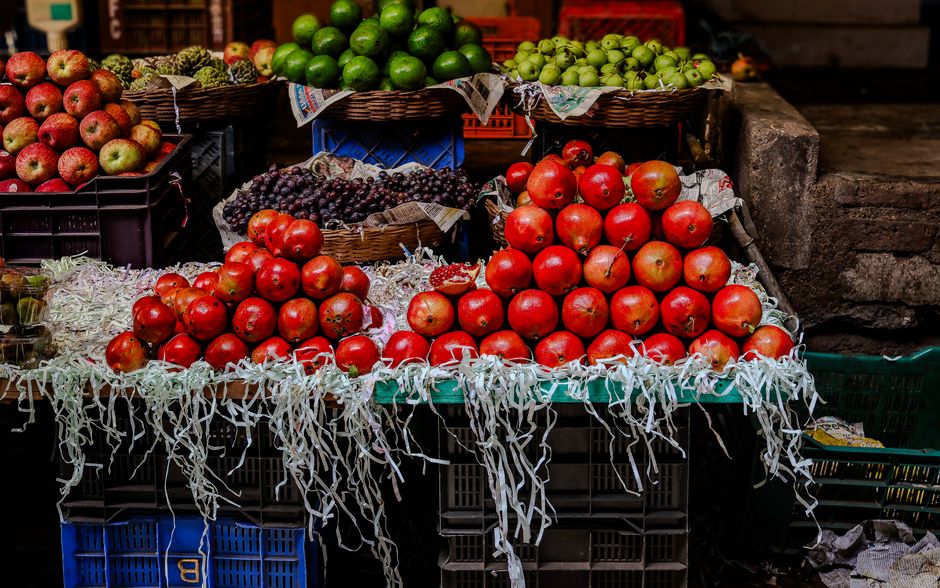
This is a straightforward, step-by-step take on cooking as a health habit you can actually use. The aim here is to keep things realistic and easy to sustain. The rest of this article walks through cooking as a health habit step by step, in plain language.
The simple version
Worth keeping in mind: a small set of habits carries most of the benefit. Keeping a stocked cupboard of tins, pulses, grains, and frozen vegetables so that a meal is always possible. Cooking once and eating twice. Preparing components rather than complete dishes — a pot of grains, a tray of roasted vegetables — that can be assembled quickly.
Small changes like these are easy to underestimate, yet they are exactly what add up over months and years.
Step by step
Batch cooking is commonly oversold as a weekend project and undersold as a minor habit. Making slightly more than is needed, most times something is cooked, produces the same result with none of the ceremony.
The goal is progress you can maintain, not perfection you have to chase and eventually abandon.
What to do first
There is a social dimension too, easy to overlook in a discussion of nutrients. Meals eaten with other most of us tend to be slower, more varied, and better remembered. Cooking is one of the few health habits that improves something beyond health, which is a large part of why it lasts.
The goal is progress you can maintain, not perfection you have to chase and eventually abandon.
What to keep doing
More often than not, the strongest predictor of a decent diet is not knowledge of nutrition but whether someone cooks. Cooking changes the ingredients, the portion, the pace of eating, and the cost, all at once, without any of it requiring a decision about macronutrients. For evidence-based detail, MedlinePlus, from the U.S. National Institutes of Health offers helpful guidance.
It helps to focus on what you can realistically do most days, rather than an ideal you can only manage occasionally.
A quick self-check
The obstacle is rarely skill. It is time, energy at seven in the evening, and the sense that a proper meal requires a plan. Each of those responds to lowering the ambition: a repertoire of six meals that can be made without a recipe is worth more than an aspiration to cook well.
Practical tips
Here are a few easy places to start:
- Ask for a little support from someone around you when you can.
- Keep the useful option easy to reach and the tempting one a little harder.
- Anchor a new habit to something you already do each day, like your morning coffee.
- Notice what works for you personally, since everyone responds a little differently.
The bottom line
The best approach is the one you can keep going with. Keep it simple, be patient with yourself, and let small changes add up. That is usually all it takes.
Frequently asked questions
Is this suitable for busy people?
Yes. Most of the ideas here fold into things you already do each day, so they take little extra time.
How long before I notice a difference?
It varies from person to person. Give any new habit a few weeks of consistency before deciding whether it is working for you.
Is this relevant if I'm just starting out?
Yes. You can begin with one small change and build from there. With cooking as a health habit, steady progress beats trying to do everything at once.
Do I need special equipment or money?
No. Most of what helps is free or low-cost, and the simplest options are usually the ones people stick with.